Depression
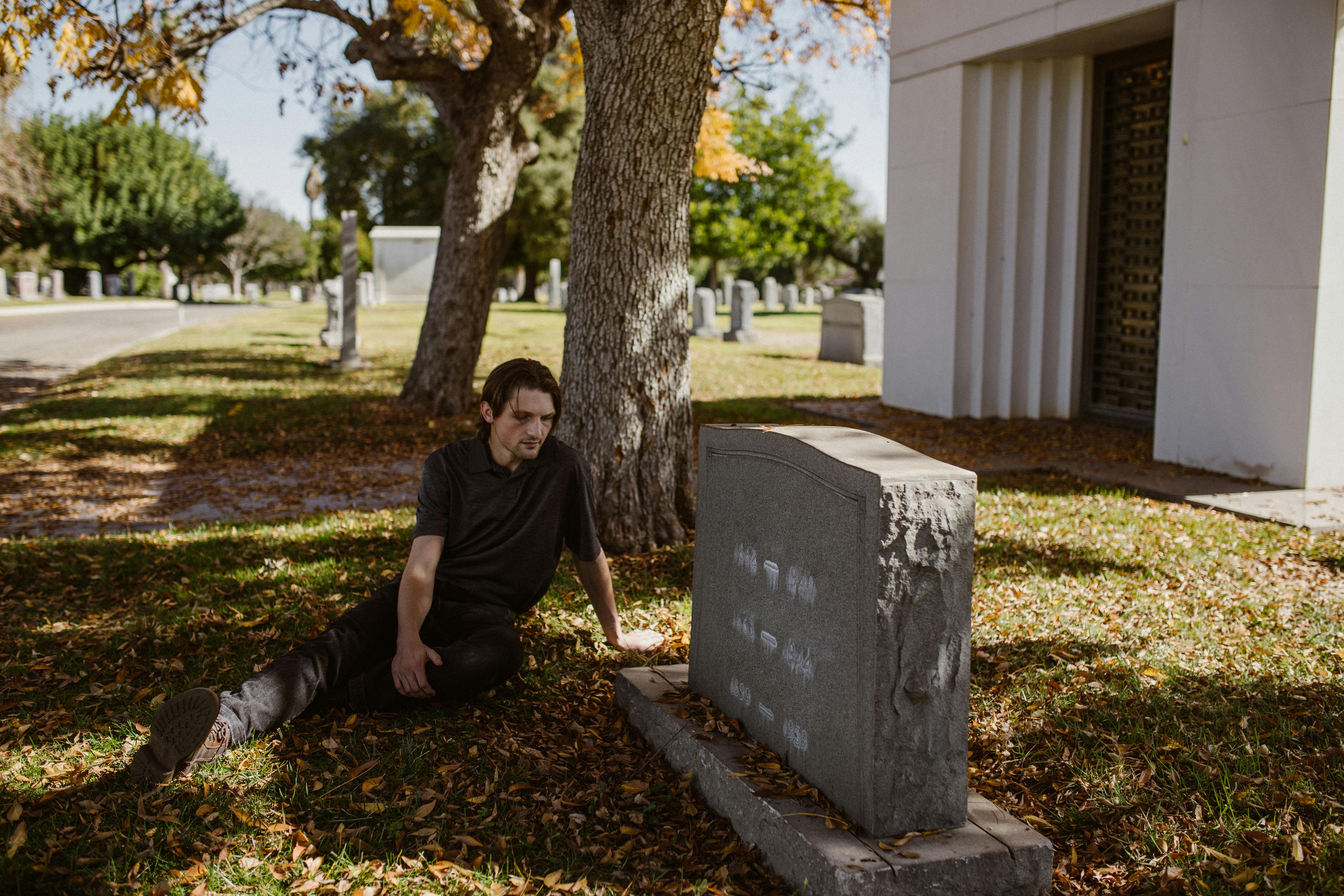
Depression is not an easy thing to get rid of, and it is known as severe depression disorder, or clinical depression.
It is a disease that affects the soul and the body and affects the way of thinking and behaving, and it would lead to many emotional and physical problems, as it is one of the most prevalent diseases in the world, and people with depression usually cannot continue their daily lives as usual, as depression causes them A feeling of lack of any desire to live.
Depression may affect all age groups, as it is not limited to a specific age, gender, race, or group, but some statistics indicate that more women than men have been diagnosed with cancer; This is because women seek treatment more than men.
symptoms
Symptoms of depression are various and varied; Because depression appears in different forms in different people, for example,e symptoms of depression may appear in a 25-year-old person differently than in a 70-year-old.
Also, some people with depression may develop symptoms that are so severe that they clearly indicate that something is not right, and others may feel that they are generally poor, or that they are not happy without knowing the reason for it.
Symptoms of depression include a loss of desire to engage in normal daily activities.
- Feeling nervous and depressed.
- feeling hopeless
- Crying spells for no apparent reason.
- Sleep disorders.
- Difficulties concentrating.
- Difficulties in making decisions.
- Unintentional weight gain or loss.
- tense.
- Anxiety and boredom.
- Excessive sensitivity.
- feeling tired or weak
- Feeling of worthlessness.
- Loss of desire for intercourse.
- Suicidal thoughts or suicide attempts.
- Unexplained physical problems, such as back or head pain.
Causes and risk factors for depression
It is not yet known the exact cause that leads to the emergence of depression, but as is the case with other mental illnesses is that many biochemical, genetic, and environmental factors can be the cause of depression, including:
1. Biochemical factors
The use of imaging with modern and advanced techniques has indicated that physical changes have occurred in the brains of people with depression, and it is not known what exactly these changes are and the degree of their importance, but clarifying this matter would eventually help in identifying and determining the causes of depression.
Chemicals naturally found in the human brain called neurotransmitters may be related to mood and play a role in causing depression, and a hormonal imbalance in the body may be a cause of depression.
Naturally causing chemicals in the human brain called neurotransmitters may be related to mood and play a role in causing depression, and a hormonal imbalance in the body could be the of depression.
2. Genetic factors
Depression is more common in people who have biological relatives who are depressed, and researchers are still trying to uncover the genes responsible for depression.
2. Genetic factors
Depression is more common in people who have biological relatives who are depressed, and researchers are still trying to uncover the genes responsible for depression.
Depression is more common in people who have biological relatives with depression, and researchers are still trying to uncover the genes involved in causing depression.
3. Environmental factors
The environment is, to some extent, a reason for the emergence of depression. Environmental factors are situations and circumstances in life that are difficult to face and live with, such as the loss of a loved one, economic problems, and acute stress.
3. Environmental factors
The environment is, to some extent, a reason for the emergence of depression. Environmental factors are situations and circumstances in life that are difficult to face and live with, such as the loss of a loved one, economic problems, and acute stress.
The environment is, to a certain degree, a cause for the emergence of depression. Environmental factors are situations and circumstances in life that are difficult to face and live with, such as the loss of a loved one, economic problems, and acute stress.
4. other reasons exact cause of depression is not known, but several factors appear to increase the risk of developing or worsening depression, including Suicides in the family. Depressed mood in the morning.Diseases such as cancer, heart disease, Alzheimer's, or AIDS.Continuous long-term use of certain medications, such as medications of a certain type to treat high blood pressure, sleeping pills, and in some cases, contraceptive pills.
4. other reasons exact cause of depression is not known, but several factors appear to increase the risk of developing or worsening depression, including Suicides in the family. Depressed mood in the morning.Diseases such as cancer, heart disease, Alzheimer's, or AIDS.Continuous long-term use of certain medications, such as medications of a certain type to treat high blood pressure, sleeping pills, and in some cases, contraceptive pills.
Depression complications
Depression is a difficult and difficult disease and may constitute a heavy burden on individuals and families, and depression that is not treated may exacerbate and deteriorate to the point of disability and dependence, and even suicide and depression can lead to severe emotional, behavioral, health, judicial, and economic problems. It affects all different areas of life.
The risks of depression include suicide.
Alcohol addiction.
Addiction to narcotics.
anxiety.
Heart disease and other diseases.
Problems at work or in education.
Conflicts within the family.
Difficulties in the marital relationship.
social isolation.
Depression diagnosis
Doctors and therapists ask questions about mood and thoughts during routine therapy meetings. Sometimes patients are asked to fill out a questionnaire that helps them identify symptoms of depression.
When doctors suspect that the patient has depression, they conduct a series of medical and psychological tests. These tests help reduce the possibility of other diseases that may be a cause of symptoms and help diagnose and reveal other complications related to the condition.
1. Tests to diagnose depression
The examinations include the following: Physical examination.
Laboratory tests.
Psychological evaluation.
2. Criteria for diagnosing depression
A doctor or psychiatrist's evaluation helps determine whether the condition is severe depression or one of the other conditions that sometimes remind of severe depression, including Judgmental disorder: an acute emotional reaction to a traumatic life event, a mental illness that is related to psychological stress, and that affects emotions, thoughts, and behavior.
Bipolar disorder: Previously called manic-depressive psychosis, this type of disorder is characterized by fluctuating moods from one extreme to the other.
Cyclic Mood Disorder: It is a type of Adjustment Disorder.
Partial depression: It is a less severe and difficult disease, but it is more chronic than depression.
Postpartum depression: It is depression that appears in some women after they give birth to new children, and it usually appears a month after the birth.
Psychotic depression: It is severe and difficult depression accompanied by psychotic symptoms and phenomena, such as hallucinations.
Schizoaffective disorder: It is a disease that includes the features and symptoms of schizophrenia and mood disorders.
Winter depression: This type of depression is associated with the change of seasons and insufficient exposure to sunlight.
depression treatment
There are cases in which depression is so severe that the doctor or someone close to the patient must follow up and monitor the treatment of depression closely until the patient recovers and reaches a position where he can participate actively in the decision-making process.
1. Dealing with depression
The majority of health workers deal with depression as a chronic disease that requires long-term treatment as well as diabetes or with high blood pressure, some people with depression experience only one period of depression, but in the majority of patients, the symptoms of depression recur and last for life.
Proper diagnosis and treatment can reduce symptoms of depression even if the symptoms of depression are severe. Proper treatment can improve the feeling of people with depression within a few weeks and enable them to return to their normal lives as they used to enjoy before suffering from depression.
A family doctor may help treat depression, but in other cases, a qualified psychologist is needed to treat depression, such as a psychiatrist, psychologist, and social worker.
The patient needs an active role in the treatment of depression. The doctor or therapist, in cooperation and joint work, can decide with the patient what type of depression treatment is best and most appropriate for the patient's condition.
The patient needs to have an active role in treating depression. In cooperation and joint work, the doctor or therapist can decide with the patient the type of depression treatment that is best and most appropriate for the patient's condition.
2. Depression treatment methods
Include the following:
pharmaceutical
Dozens of medications are available in the market to treat depression, so depression symptoms can be alleviated by combining medications and psychotherapy. Most antidepressant medications are equally effective and effective, but some of them may cause very severe and dangerous side effects.
The stages of depression treatment include the following: Typical first choice: Many doctors begin treating depression with antidepressant medications known as selective serotonin reuptake inhibitors (SSRIs).
Typical second choice: a group of antidepressants known as tricyclic antidepressants.
A typical last choice: a group of antidepressants known as monoamine oxidase inhibitors.
All antidepressants can cause unwanted side effects, and side effects appear at varying levels of severity in different patients. Sometimes these side effects are so mild that it is not necessary to stop taking the medication, and these symptoms may disappear or lessen within a few weeks of starting. start treatment.
Psychotherapy
Psychotherapy is also called talk therapy, counseling, or psychosocial therapy. Psychotherapy is sometimes used in parallel and in conjunction with drug therapy. Psychotherapy is an umbrella term for treating depression through conversations with a therapist about the situation and related issues.
electrostatic evaporation
An electric current is passed through the brain to cause a flood of emotions.
Howdoantidepressants wor depression
2. Depression treatment methods
Include the following:
pharmaceutical
Dozens of medications are available in the market to treat depression, so depression symptoms can be alleviated by combining medications and psychotherapy. Most antidepressant medications are equally effective and effective, but some of them may cause very severe and dangerous side effects.
The stages of depression treatment include the following: Typical first choice: Many doctors begin treating depression with antidepressant medications known as selective serotonin reuptake inhibitors (SSRIs).
Typical second choice: a group of antidepressants known as tricyclic antidepressants.
A typical last choice: a group of antidepressants known as monoamine oxidase inhibitors.
All antidepressants can cause unwanted side effects, and side effects appear at varying levels of severity in different patients. Sometimes these side effects are so mild that it is not necessary to stop taking the medication, and these symptoms may disappear or lessen within a few weeks of starting. start treatment.
Psychotherapy
Psychotherapy is also called talk therapy, counseling, or psychosocial therapy. Psychotherapy is sometimes used in parallel and in conjunction with drug therapy. Psychotherapy is an umbrella term for treating depression through conversations with a therapist about the situation and related issues.
electrostatic evaporation
An electric current is passed through the brain to cause a flood of emotions.
Howdoantidepressants wor depression
3. Healing from depression
Depression may sometimes be so severe that the patient must be admitted to the hospital for treatment in the psychiatric department, but even in cases of severe depression it is not always easy to decide on the method of treating depression and whether it is the appropriate treatment, if there is a possibility to treat the patient outside the hospital As effective or more effective, likely, the doctor will not recommend hospitalization.
Hospitalization of the patient in the psychiatric department is usually preferred in cases where the patient cannot take care of himself properly, or when there is a serious fear that he will harm himself or anyone else.
depression prevention
There is no way to prevent depression, but doing some things can prevent or prevent recurring symptoms, such as: Taking measures to control stress to raise the level of joy and the level of self-esteem.
Support from friends and family, especially in times of crisis, can help overcome depression.
Early treatment of the problem as soon as the first signs or symptoms appear can help prevent depression from getting worse.
Long-term preventive treatment also prevents depressive symptoms from recurring.
Alternative therapies
Some people resort to complementary or alternative medicine methods to relieve symptoms of depression, these methods include the use of some herbs or some alternative treatment methods, but before using these methods, you should consult a doctor to see if they conflict with the basic treatment methods or not, and these methods include: St. Johns's's wort is also known as St. John's wort.
Omega fatty acids.
Chinese acupuncture.
yoga.
Meditation.
Massage therapy.